What is Kamta?
Kamta or Kemetic Shamanism is a spiritual practice based on the Kemetic religion, the Kongo philosophy, Conjure & Rootwork practices, and Crossed Spiritism (Espiritismo Cruzado). Though it is not a religion, Kamta is rooted in the belief of one God and the belief that humans are eternal souls having an earthly experience. When a person dies, their body returns to the earth, but their soul becomes a spirit that can travel all over the world in a matter of seconds because it is no longer fettered by the human body. This allows spirits to travel into the past and the future, as well as communicate with the living through dreams, hunches, visions, divination, etc. Therefore, to get insight from spirits that will improve our quality of life. The living can ask for favors and give offerings to the spirits in exchange for their guidance, healing, protection, improved luck, wealth, etc. from the spirits.
How I discovered Kamta
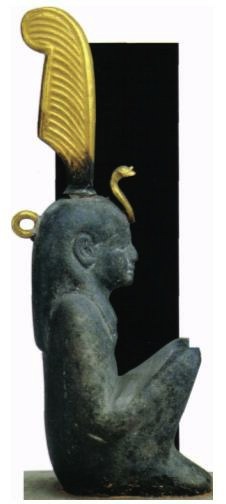
I grew up in an Apostolic Pentecostal household where my father was a preacher and my mother a Christian songstress. As a kid, I was told all my childhood that I was called to be a preacher, but when the Holy Ghost failed to stay with me during the crack cocaine era. I became very depressed and self-destructive because I believed that I was going to go to hell. Then, one of my spirit guides appeared to me and encouraged me to explore my ancestry and heritage by learning about the ancient Egyptian or Kemetic religion.
For years I read and studied everything that I could find about the Kemetic religion, which eventually led me to exploring metaphysics, psychology, the occult, and African spirituality. Like many African descendants who learn about the richness and power of African spirituality from a scholarly perspective, I wanted to get initiated into an African religion, so I searched for a spiritual teacher. Unfortunately, due to my eclectic interests and naivete, I was cursed and financially and spiritually abused. Coincidentally, thanks to the following four mentors, I was able to find my way.
- Ms. B, an African American palera (priestess in the Palo Mayombe religion), who informed me that the fake priesthood member had placed a curse on me. Thanks to Ms. B. and her Lucero, the curse was lifted.
- Ms. Smith, a conjure woman from my hometown of Detroit, at a store while passing by and on my way home. It was Ms. Smith who taught me that spirits work in balance and that only witches in our community perform works that are not in alignment with the Divine.
- Papa, an Afro-Cuban Babalawo, a practicing Spiritist in Espiritismo Cruzado, and a member of the all-male Abakuá Society, whom I mysteriously met and who taught me about spirits, which helped me to move beyond the scholarly interpretation of our spiritual tradition.
- And, last but not least, there was Iya, a priestess of Oshun in the Ifa religion, who explained to me that I was called to be a shaman. Iya explained that because I was called to be a shaman, I needed to have a holistic understanding (outer and inner understanding) of spiritual beliefs and practices. She explained that my inner understanding would only come from accepting my calling, which I presently was refusing to do.
Because I did not want to waste my time and energy and be swindled out of money again, I ignored Iya’s warning about accepting my calling. Then, one day I became deathly ill and had to be life-flighted to the hospital. While lying on the gurney in the Intensive Care Unit, my spirit guides appeared to me and informed me that it was not my time but that I needed to accept my calling. When I finally surrendered and accepted my calling. I was informed by the medical staff that I had systemic lupus.
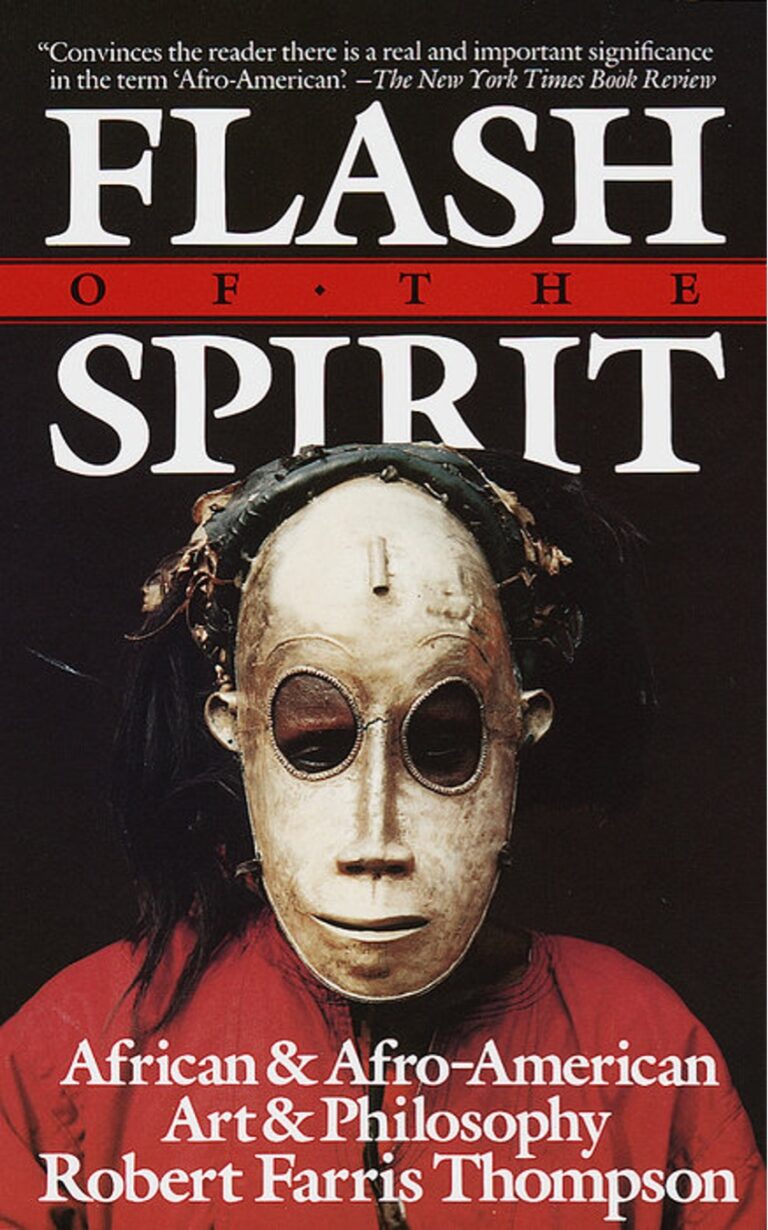
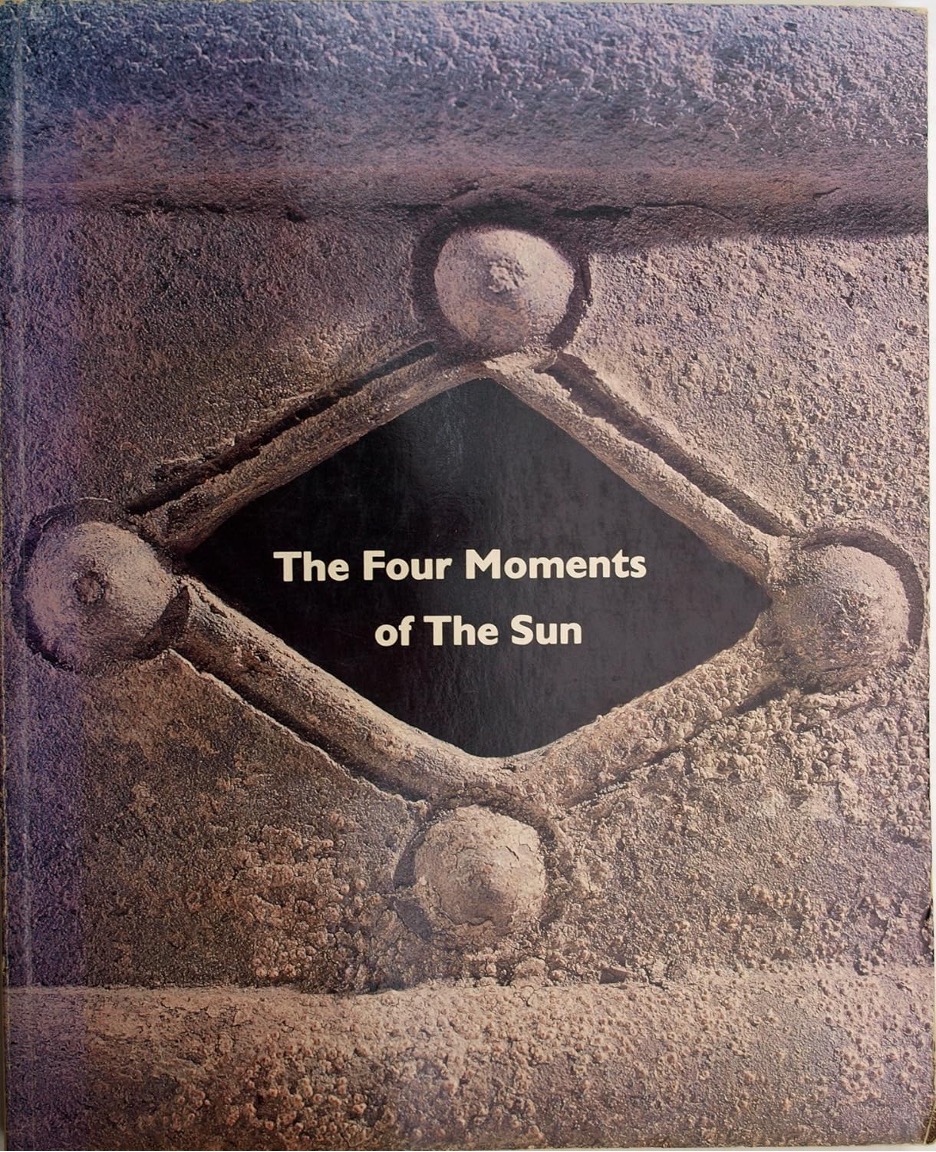
Three weeks later when I was released from the hospital, determined that I was not going to die, I immediately erected a bóveda as Papa had advised many years ago. Shortly afterwards, my spirit guides led me to read Flash of the Spirit by Robert Farris Thomas, which I had in my possession for years but never read. Through Flash of the Spirit by Robert Farris Thomas and Thomas’ Four Moments of the Sun, I learned that the first enslaved Africans brought to North America were Christians from the Kongo-Angolan region. These Christianized Africans were not forced into Christianity but had converted to the new faith years ago when the Kongo king made Christianity the official religion of the Kongo kingdom. As a result, a syncretism had developed between the Kongo religion and Roman Catholics, which resulted in the creation of BaKongo Christianity.
Consequently, when the Africans from the Kongo-Angolan arrived on the shores of North America, they brought with them their BaKongo Christianity, which is the original theology of our ancestors. When other enslaved Africans, such as the Yoruba, Akan, and Igbo, arrived in North America. These Africans contributed their cultural influence, which created what I refer to as an American BaKongo Christianity. However, due to the prohibition of the importation of African slaves, along with plantation enslavers’ violent suppression of African religions to prevent cultural unification and slave revolts, American BaKongo Christianity lost its theology around the 1880s and reverted to what scholars call today Hoodoo.
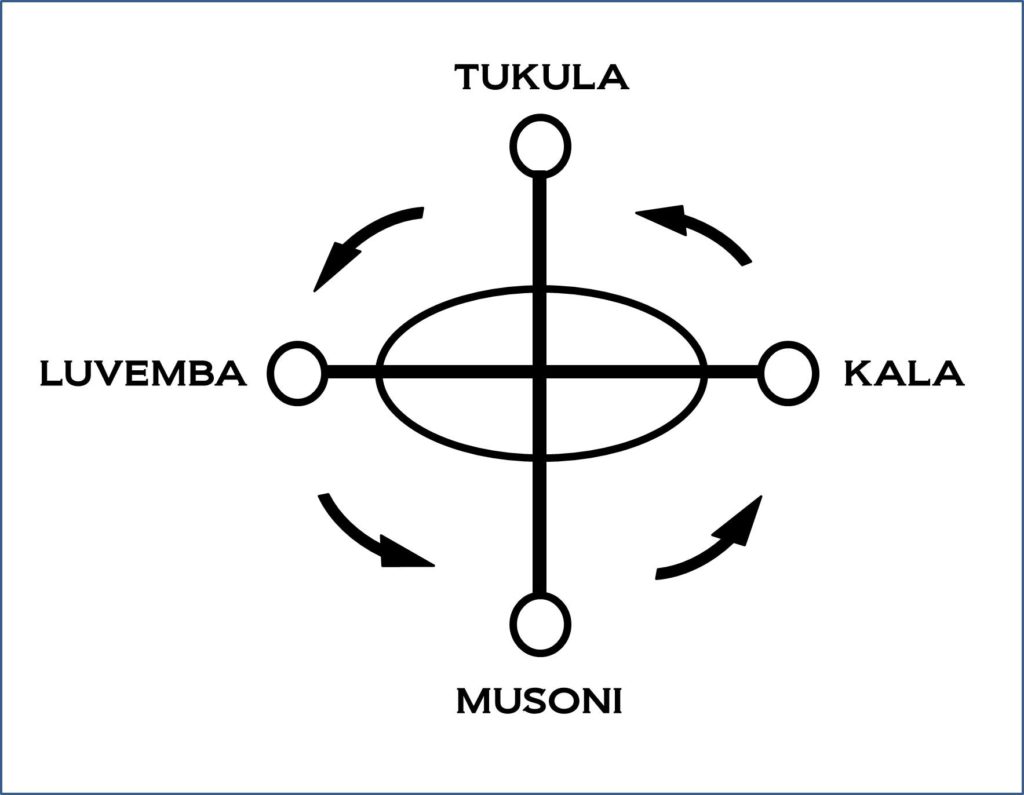
But through my ancestors and spirit guides, I found a similarity between the Kongo Angolan Dikenga dia Kongo (also known as the Kongo cosmogram or Yowa Cross) and the Kemetic Ra. For instance, the Kemetic Khepera (the creative aspect of Ra) corresponds to the creative aspects of the Kongo Kala. The Kemetic Ra (the administrating aspect of Ra) corresponds to the administrating aspect of the Kongo Tukula. The Kemetic Atum Ra (the transforming aspect of Ra) corresponds to transforming aspects of the Kongo Luvemba, while the Kemetic Amun Ra (the hidden aspect of Ra) corresponds to the Kongo Musoni. Thus, indicating that Ra is not God or the so-called sun god but symbolizes the cycle of life, death, and the soul’s continuous journey through the physical and spiritual realm from the Kemetic perspective called the Maa Aankh.
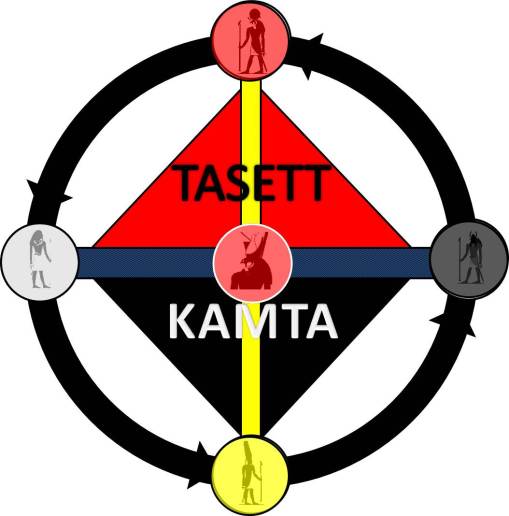
When I began using the Maa Aankh as a map of the universe, a marker to signify my spiritual development, a guide for connecting with my ancestors and spirit guides, and a symbol to create a safe space, perform rituals, and block negative energy. I was able to improve my health and wellbeing, through this practice that I call Kamta.